The National Child Traumatic Stress Network
Published on The National Child Traumatic Stress Network (https://nctsn.org)

Home > Families and Caregivers

Parents and caregivers play an essential role in helping children and teenagers recover from traumatic events. These resources are for parents, adoptive parents, resource/foster parents, grandparents, caregivers, and all others who care for children and teens. The more caregivers learn about how traumatic events affect their children (whether toddler, school-age, teen, youth, or adult), the more they understand the reasons for their children’s behaviors and emotions, and the better prepared they are to help them cope. When children know that caring adults are working to keep them safe and support them in understanding their reactions to trauma, most can recover and go on to live healthy and productive lives.


NCTSN Resource

The Power of Parenting: How to Help Your Child After the Death of a Sibling From Substance Use or... [1]

Type: Fact Sheet

Offers parents and caregivers information to help support their surviving children after a the death of a sibling due to substance use or overdose.

view [1]
NCTSN Resource

Guía de ayuda para padres y cuidadores para ayudar a las familias a enfrentar la enfermedad... [2]

Type: Fact Sheet

Ofrece información para padres y cuidadores sobre los brotes de enfermedades infecciosas en su comunidad.

view [2]
NCTSN Resource

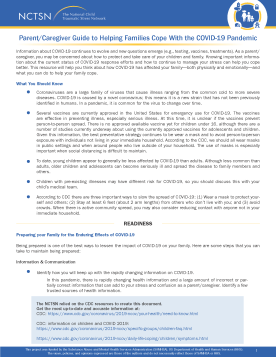
Parent/Caregiver Guide to Helping Families Cope With the Coronavirus Disease 2019 [3]

Type: Fact Sheet

Provides information for parents and caregivers about infectious disease outbreaks in your community. Knowing important information about the outbreak and learning how to be prepared can reduce stress and help calm likely anxieties.

view [3]
NCTSN Resource

Talking with your Children about Islamophobia and Hate-Based Violence [4]

Type: Fact Sheet

Discusses Islamophobia and hate-based violence against Muslims, highlights strategies that parents and caregivers can usd to facilitate effective conversations, offers age-specific guidelines, and provides actions families and communities can take before an event occurs.

view [4]
NCTSN Resource

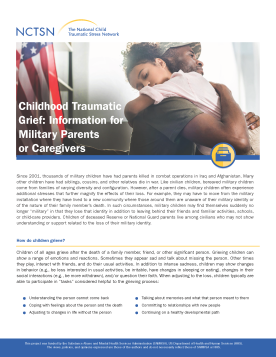
Childhood Traumatic Grief: Information for Military Parents or Caregivers [5]

Type: Fact Sheet

Provides information to military parents and caregivers on Childhood Traumatic Grief.

view [5]
NCTSN Resource

Childhood Traumatic Grief: Information for Parents and Caregivers [6]

Type: Fact Sheet

Provides information to parents and caregivers on Childhood Traumatic Grief.

view [6]
NCTSN Resource

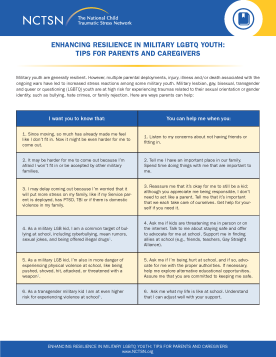
Enhancing Resilience in Military LGBTQ Youth: Tips for Parents and Caregivers [7]

Type: Tip Sheet

Offers information to parents and caregiver on how to help military children and adolescents who identify as LGBTQ deal with the many challenges they face. This tip sheet describes common thoughts or situations LGBTQ youth may have and how parents and caregivers may help. 

view [7]
NCTSN Resource

Data At-A-Glance: Completing Treatment vs. Ending Early is Better for Kids - What Caregivers... [8]

Type: Fact Sheet

Offers parents and caregivers information about the importance of treatment completion.

view [8]
NCTSN Resource

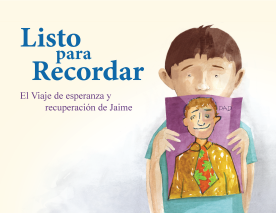
Listo para Recordar. El Viaje de esperanza y recuperación de Jaime [9]

Type: Special Resource

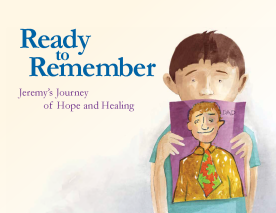
Este libro cuenta la historia de Jaime, un niño de 10 años, después de pasar por la trágica muerte de su padre. Jaime está experimentando una reacción traumática y está teniendo dificultades en la escuela y en la casa.

view [9]
NCTSN Resource

Ready to Remember: Jeremy's Journey of Hope and Healing Video [10]

Type: Video

Brings to life the story of Jeremy, a 10-year-old boy, following the tragic death of his father. This video walks you through Jeremy's story and describes his journey as he and his family get help and are able to enjoy happy memories together. This story is read by Liliana Montenegro.

view [10]
NCTSN Resource

Rosie Remembers Mommy: Forever in Her Heart Video [11]

Type: Video

Brings to life the story of Rosie, a young girl who is struggling after the death of her mother. This video walks you through Rosie's story and illustrates how a parent can provide solace and support to a child after the death of a loved one.

view [11]
NCTSN Resource

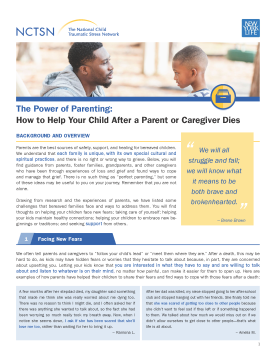
The Power of Parenting: How to Help Your Child After a Parent or Caregiver Dies [12]

Type: Fact Sheet

Offers guidance around helping children cope after the death of a loved one. Information is provided about how to face new fears in the context of bereavement, how grieving caregivers can take care of their own needs...

view [12]

Pages

  • FIRST [13]
  • PREVIOUS [14]
  • …
  • 3 [15]
  • 4 [16]
  • 5 [17]
  • 6 [14]
  • 7
  • 8 [18]
  • 9 [19]
  • 10 [20]
  • 11 [21]
  • …
  • NEXT [18]
  • LAST [22]

Source URL:https://nctsn.org/audiences/families-and-caregivers?page=6

Links
[1] https://nctsn.org/resource/the-power-of-parenting-how-to-help-your-child-after-the-death-of-a-sibling-from-substance-use-or-overdose [2] https://nctsn.org/resources/parent-caregiver-guide-to-helping-families-cope-with-the-coronavirus-disease-2019-sp [3] https://nctsn.org/resources/parent-caregiver-guide-to-helping-families-cope-with-the-coronavirus-disease-2019 [4] https://nctsn.org/resources/talking-with-your-children-about-islamophobia-and-hate-based-violence [5] https://nctsn.org/resources/childhood-traumatic-grief-information-for-military-parents-or-caregivers [6] https://nctsn.org/resources/childhood-traumatic-grief-information-for-parents-and-caregivers [7] https://nctsn.org/resources/enhancing-resilience-in-military-lgbtq-youth-tips-for-parents-and-caregivers [8] https://nctsn.org/resources/data-glance-treatment-completion-premature-termination-parents [9] https://nctsn.org/resources/ready-remember-jeremys-journey-hope-and-healing-sp [10] https://nctsn.org/resources/ready-remember-jeremys-journey-of-hope-and-healing-video [11] https://nctsn.org/resources/rosie-remembers-mommy-forever-her-heart-video [12] https://nctsn.org/resources/power-of-parenting-how-to-help-your-child-after-a-parent-or-caregiver-dies [13] https://nctsn.org/print/898 [14] https://nctsn.org/print/898?page=5 [15] https://nctsn.org/print/898?page=2 [16] https://nctsn.org/print/898?page=3 [17] https://nctsn.org/print/898?page=4 [18] https://nctsn.org/print/898?page=7 [19] https://nctsn.org/print/898?page=8 [20] https://nctsn.org/print/898?page=9 [21] https://nctsn.org/print/898?page=10 [22] https://nctsn.org/print/898?page=12