The National Child Traumatic Stress Network
Published on The National Child Traumatic Stress Network (https://nctsn.org)

Home > Youth

The National Child Traumatic Stress Network has developed a variety of resources for children, youth, and young adults, to explain child trauma and its effects. These tip sheets, guides, and videos are designed with input from youth themselves, to help make sense of thoughts, feelings, and behaviors and to provide support and encouragement to grow and heal.

NCTSN Resource

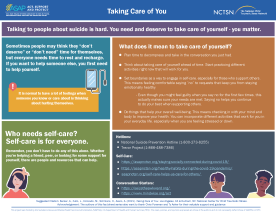
Taking Care of You [1]

Type: Fact Sheet

Provides information to help youth practice self-care. This fact sheet includes information on what it means to take care of yourself, as well as recommended hotlines and conversation starters. This resource is most helpful for youth ages 12 and older.
view [1]
NCTSN Resource

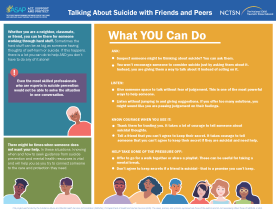
Talking About Suicide with Friends and Peers [2]

Type: Fact Sheet

Provides information to support youth talking about suicide with friends and peers. This fact sheet includes what you can do, action words, skills for getting help, as well as myths and facts about how to help as a peer. This resource is most helpful for youth ages 12 and older.
view [2]
NCTSN Resource

Words to Use When Talking About Suicide [3]

Type: Fact Sheet

Provides information to help youth know what words to use when talking about suicide with friends and peers. This fact sheet includes when you should ask, examples of what to say, when to get help, as well as next steps. This resource is most helpful for youth ages 12 and older.
view [3]
NCTSN Resource

AJ's Story About Not OK Touches [4]

Type: Special Resource

Is designed to be read by a supportive adult (parent/caregiver, therapist) to a child (ages 5-10, or as developmentally appropriate) who has engaged in a Not OK touch or problematic sexual behaviors with another child.

view [4]
NCTSN Resource

Childhood Traumatic Grief: Youth Information Sheet [5]

Type: Fact Sheet

Offers information for youth to help them understand the differences between grief and traumatic grief, the signs and symptoms of traumatic grief in children and youth, and what to do to feel better.

view [5]
NCTSN Resource

Childhood Traumatic Separation: Youth Information Sheet [6]

Type: Fact Sheet

Provides information for youth about separation distress, when separation can be traumatic for children and youth, traumatic reactions to separation, and what to do to feel better.

view [6]
NCTSN Resource

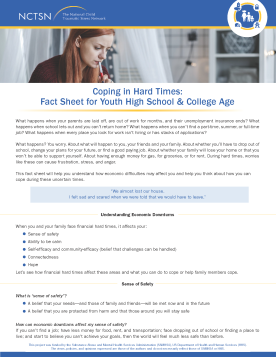
Coping in Hard Times: Fact Sheet for Youth High School and College Age [7]

Type: Fact Sheet

Helps high school students and young adults understand how economic difficulties may affect them and provides suggestions on how they can cope during these uncertain times.

view [7]
NCTSN Resource

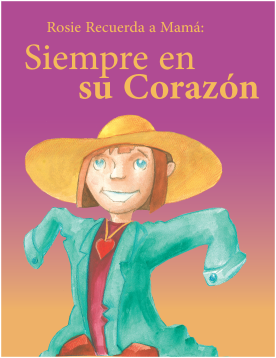
Rosie Recuerda a Mamá: Siempre en su corazón [8]

Type: Special Resource

Este libro cuenta la historia de Rosie, una niña que está teniendo dificultades después de la muerte de su madre.

view [8]
NCTSN Resource

Listo para Recordar. El Viaje de esperanza y recuperación de Jaime [9]

Type: Special Resource

Este libro cuenta la historia de Jaime, un niño de 10 años, después de pasar por la trágica muerte de su padre. Jaime está experimentando una reacción traumática y está teniendo dificultades en la escuela y en la casa.

view [9]
NCTSN Resource

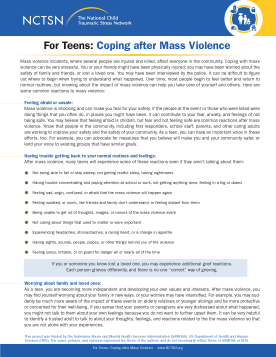
For Teens: Coping After Mass Violence [10]

Type: Fact Sheet

Offers information for teens about common reactions to mass violence, as well as tips for taking care of themselves and connecting with others.

view [10]
NCTSN Resource

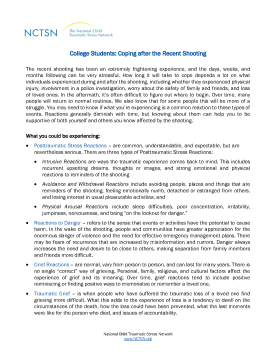
College Students: Coping After the Recent Shooting [11]

Type: Fact Sheet

Provides information for college students on how to cope afte the recent shooting. This fact sheet offers insight into what college students could be experiencing in light of the recent shooting, as well as types of reactions and what they can do for themselves. 

view [11]
NCTSN Resource

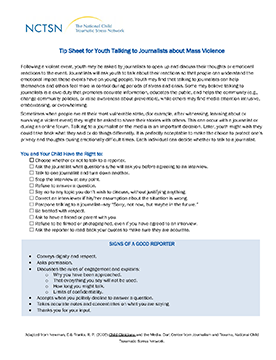
Tip Sheet for Youth Talking to Journalists after Mass Violence [12]

Type: Fact Sheet

Provides guidance to youth, parents, caregivers, and others who work with youth about talking to the media after a mass violence event. This fact sheet details the rights of a child or adolescent when speaking with the media, as well as the signs of a good reporter.

view [12]

Pages

  • FIRST [13]
  • PREVIOUS [13]
  • 1 [13]
  • 2
  • 3 [14]
  • 4 [15]
  • NEXT [14]
  • LAST [15]

Source URL:https://nctsn.org/audiences/youth?page=1

Links
[1] https://nctsn.org/resources/taking-care-of-you [2] https://nctsn.org/resources/talking-about-suicide-with-friends-and-peers [3] https://nctsn.org/resources/words-to-use-when-talking-about-suicide [4] https://nctsn.org/resources/ajs-story-about-not-ok-touches [5] https://nctsn.org/resources/childhood-traumatic-grief-youth-information-sheet [6] https://nctsn.org/resources/childhood-traumatic-separation-youth-information-sheet [7] https://nctsn.org/resources/coping-hard-times-fact-sheet-youth-high-school-and-college-age [8] https://nctsn.org/resources/rosie-remembers-mommy-forever-her-heart-sp [9] https://nctsn.org/resources/ready-remember-jeremys-journey-hope-and-healing-sp [10] https://nctsn.org/resources/for-teens-coping-after-mass-violence [11] https://nctsn.org/resources/college-students-coping-after-the-recent-shooting [12] https://nctsn.org/resources/tip-sheet-youth-talking-journalists-after-mass-violence [13] https://nctsn.org/print/903 [14] https://nctsn.org/print/903?page=2 [15] https://nctsn.org/print/903?page=3