The National Child Traumatic Stress Network
Published on The National Child Traumatic Stress Network (https://nctsn.org)

Home > Healthcare Providers

Wherever Healthcare Providers encounter children and families--whether in a clinic, hospital ER, school, or at a private outpatient practice--there are opportunities to integrate trauma-informed practices into the care families receive. The National Child Traumatic Stress Network has developed tools and materials to help physicians, nurses, and other healthcare professionals understand and respond to the specific needs of traumatized children. In addition to the NCTSN resources highlighted below, Healthcare Providers can learn more about trauma-informed integrated care in the Trauma-Informed Care section of this website.

NCTSN Resource

Glossary of Terms Related to Trauma-Informed, Integrated Healthcare [1]

Type: Fact Sheet

Provides a glossary of terms for healthcare providers to better understand the concepts within trauma-informed integrated care.

view [1]
NCTSN Resource

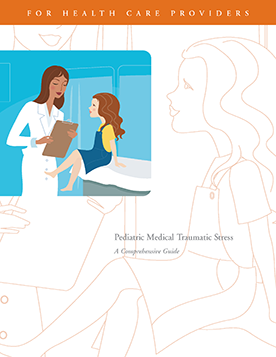
Pediatric Medical Traumatic Stress Toolkit for Health Care Providers [2]

Type: Special Resource

Offers a compendium of tools to guide medical professionals in effectively assessing and treating medical traumatic stress in children and families. This toolkit helps providers address the emotional, as well as the physical side of trauma.

view [2]
NCTSN Resource

Age-Related Reactions to a Traumatic Event [3]

Type: Fact Sheet

Describes how young children, school-age children, and adolescents react to traumatic events and offers suggestions on how parents and caregivers can help and support them.

view [3]
NCTSN Resource

What Is Child Traumatic Stress? [4]

Type: Fact Sheet

Defines child traumatic stress. This fact sheet gives an overview of trauma, describes traumatic stress symptoms, and ways children may be impacted.

view [4]
NCTSN Resource

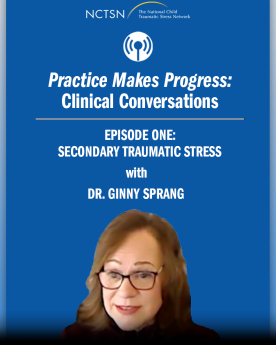
Practice Makes Progress - Episode 1: Secondary Traumatic Stress [5]

Type: Video

NCTSN Affiliate Dr. Ginny Sprang from the University of Kentucky and National Center Co-Director Dr. Lisa Amaya-Jackson discuss Secondary Traumatic Stress (STS).

view [5]
NCTSN Resource

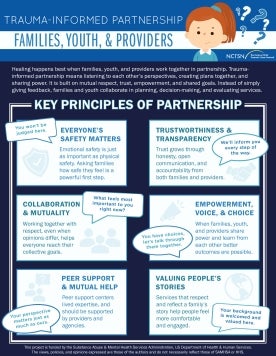
Trauma-Informed Partnership: Families, Youth, and Providers [6]

Type: Infographic

Highlights how healing is strengthened through trauma-informed partnerships between families, youth, and providers. Outlines key principles like trust, collaboration, empowerment, and shared decision-making to support meaningful, respectful care.

view [6]
NCTSN Resource

Understanding and Addressing the Intersection of Substance Use and Child Trauma: For Healthcare... [7]

Type: Fact Sheet

Aids healthcare providers to recognize how trauma and substance use intersect and affect the health and development of children and adolescents in medical settings.

view [7]
NCTSN Resource

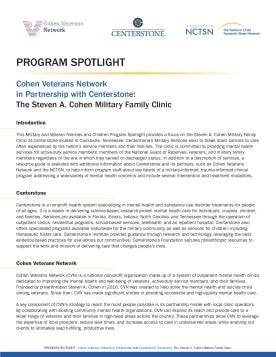
Program Spotlight the Steven A. Cohen Military Family Clinic [8]

Type: Special Resource

Provides a focus on the Steven A. Cohen Miliary Family Clinic at Centerstone.

view [8]
NCTSN Resource

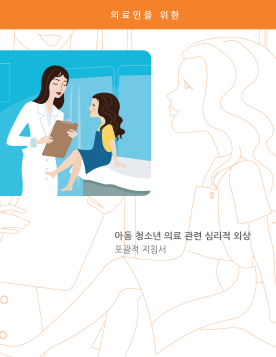
Pediatric Medical Traumatic Stress Toolkit for Health Care Providers (in Korean) [9]

Type: Resource Guide

Offers a compendium of tools to guide medical professionals in effectively assessing and treating medical traumatic stress in children and families. This toolkit helps providers address the emotional, as well as the physical side of trauma.

view [9]
NCTSN Resource

Overview of the 12 Core Concepts [10]

Type: eLearning Course

Helps learners to create a trauma lens through which they can view and better comprehend the effects of traumatic experiences and losses.

view [10]
NCTSN Resource

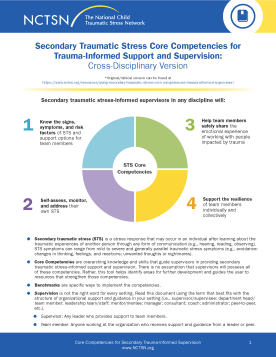
Secondary Traumatic Stress Core Competencies for Trauma-Informed Support and Supervision: Cross... [11]

Type: Fact Sheet

Identifies the core competencies that STS-informed supervisors in any discipline should have. This fact sheet defines terms, outlines benchmarks for each competency, and offers supervisors guidance on ways...

view [11]
NCTSN Resource

NCTSN Trauma-Informed Organizational Assessment (TIOA) Course [12]

Type: Special Resource

Helps organizations assess their current practices in the context of serving children and families who have experienced trauma. It is an important part of an organizational transformation process to create trauma-informed organizations.

view [12]

Pages

  • 1
  • 2 [13]
  • 3 [14]
  • 4 [15]
  • 5 [16]
  • NEXT [13]
  • LAST [16]

Source URL:https://nctsn.org/audiences/healthcare-providers

Links
[1] https://nctsn.org/resources/glossary-terms-related-trauma-informed-integrated-healthcare [2] https://nctsn.org/resources/pediatric-medical-traumatic-stress-toolkit-health-care-providers [3] https://nctsn.org/resources/age-related-reactions-traumatic-event [4] https://nctsn.org/resources/what-child-traumatic-stress [5] https://nctsn.org/resources/cpop-pmp-e1 [6] https://nctsn.org/resources/ti-partnership-fyp-infographic [7] https://nctsn.org/resources/substance-use-hc-providers [8] https://nctsn.org/resources/program-spotlight-steven-a-cohen-military-family-clinic [9] https://nctsn.org/resources/pediatric-medical-traumatic-stress-toolkit-health-care-providers-ko [10] https://nctsn.org/resources/overview-of-the-12-core-concepts [11] https://nctsn.org/resources/secondary-traumatic-stress-core-competencies-for-trauma-informed-support-and-supervision-cross-disciplinary-version [12] https://nctsn.org/resources/nctsn-trauma-informed-organizational-assessment-course [13] https://nctsn.org/print/902?page=1 [14] https://nctsn.org/print/902?page=2 [15] https://nctsn.org/print/902?page=3 [16] https://nctsn.org/print/902?page=4