NCTSN Resource
Opiate Exposed Newborns: Development, Assessment and Treatment
Type: Webinar
Discusses the potential impact of opiates on the developing fetus and the baby.

The following resources on child trauma were developed by the NCTSN. To find a specific topic or resource, enter keywords in the search box, or filter by resource type, trauma type, language, or audience.
Discusses the potential impact of opiates on the developing fetus and the baby.
Highlights changes in the DSM-5, particularly in the area of Trauma and Stress Related Disorders, including special considerations for clinicians working with young children and their families.
Covers current issues in family system assessments and family level interventions.
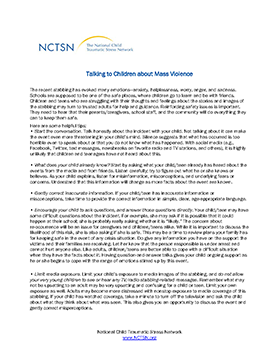
Provides information about how to talk to children about mass violence. This tip sheet describes ways to talk to children about mass violence, including how to start the conversation, how to deal with incorrect information, limiting media exposure, common reactions, and when to seek help.
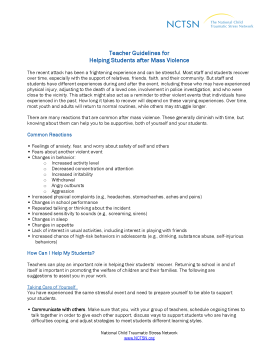
Offers teachers guidance on helping students after a mass violence event. This fact sheet describes common reactions students may have, how teachers and school staff can help, as well as engage in self-care after a mass violence event.
Gives an overview of the purpose and utility of the CANS-Trauma Comprehensive as an innovative, trauma-informed assessment strategy.
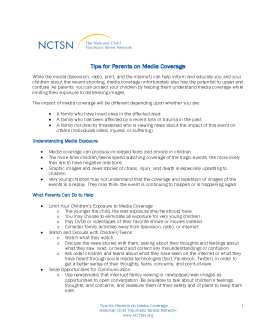
Gives information to parents and caregivers about media coverage following a shooting. This tip sheet describes what parents can do to help their children, media exposure after events, and talks about what it is like when a family is a part of the story.

Outlines the historical context of racial disparities and highlights how systems can move forward to reduce these racial disparities, including by framing the issue so that practical and pro-active discussion can move beyond assigning blame.
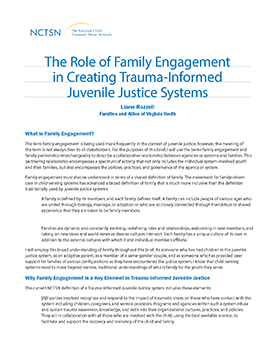
Outlines the role of family engagement in creating trauma-informed juvenile justice systems.
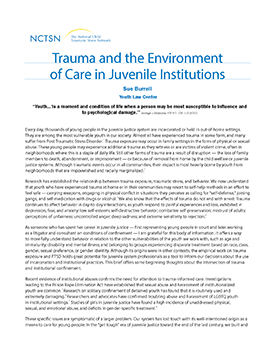
Outlines the environment of care in juvenile institutions.

Provides concrete strategies that organizations and practitioners can implement to increase access and improve responsiveness to LGBTQ individuals and families.
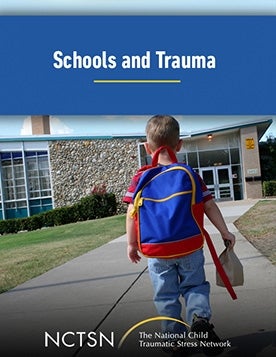
Describe the fundamentals of Psychological First Aid for Schools (PFA-S). This webinar offers information on how PFA-S helps to reduce the distress that school communities can experience after a disaster or violent event.